

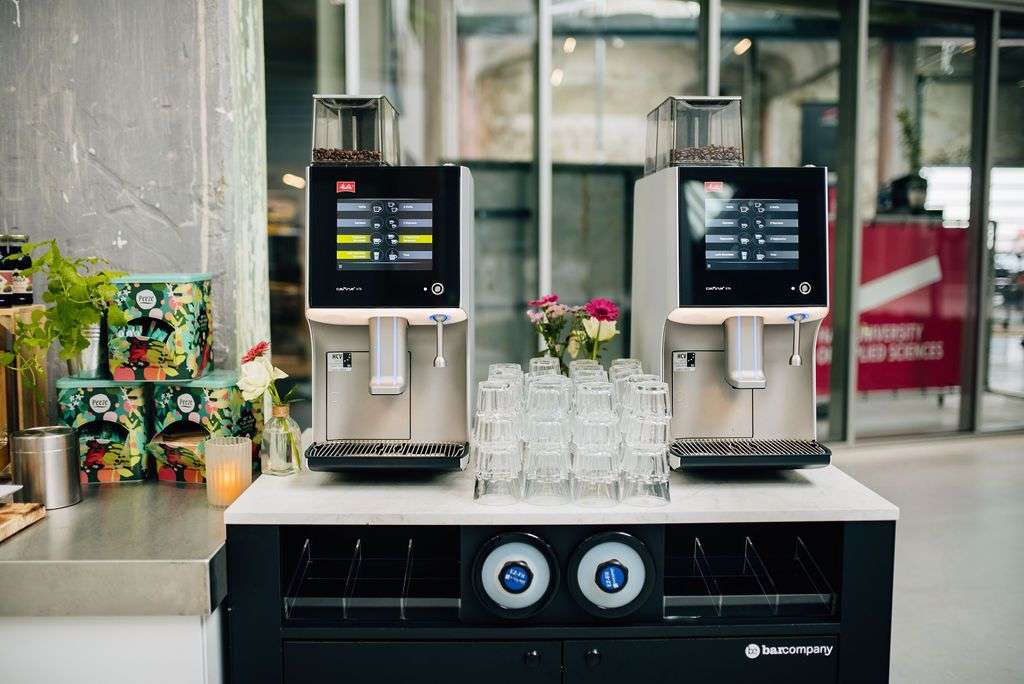
Coffee etiquette for networkers is the strategic way in which you use coffee during business meetings to strengthen trust, professionalism and brand perception. It is not about table manners, but about preparation, presentation, conversation skills and follow-up. Those who use coffee thoughtfully enhance the quality of conversations and increase the likelihood of building lasting relationships.
In practice, we see every day that the first three minutes of a meeting are crucial. And they almost always start with a coffee.
Why coffee is more than just a drink
In a business context, coffee is a psychological tool. It reduces tension, extends conversation time and creates an atmosphere of equality. Research into hospitality behaviour shows that, on average, people stay longer in an environment where refreshments are offered. At trade fairs, this translates into more time per lead. In the office, it leads to more in-depth conversations. Coffee is therefore not merely a service element; it is a conversation catalyst. When the coffee is of high quality and presented professionally, it conveys organisational strength. When the process is disorganised or slow, it subconsciously undermines your positioning.
What is good coffee etiquette during a networking meeting?
Good coffee etiquette consists of four parts:
- preparation
- presentation
- conversation facilitation
- succession
Preparation means ensuring that the coffee set-up is technically and visually sound. Presentation is about tidiness, a sense of calm and personal attention. Steering the conversation is all about timing and bringing it to a close. Follow-up ultimately determines the commercial outcome.
Anyone who masters these four elements can turn a coffee break into a professional tool.
Coffee etiquette at a trade fair stand
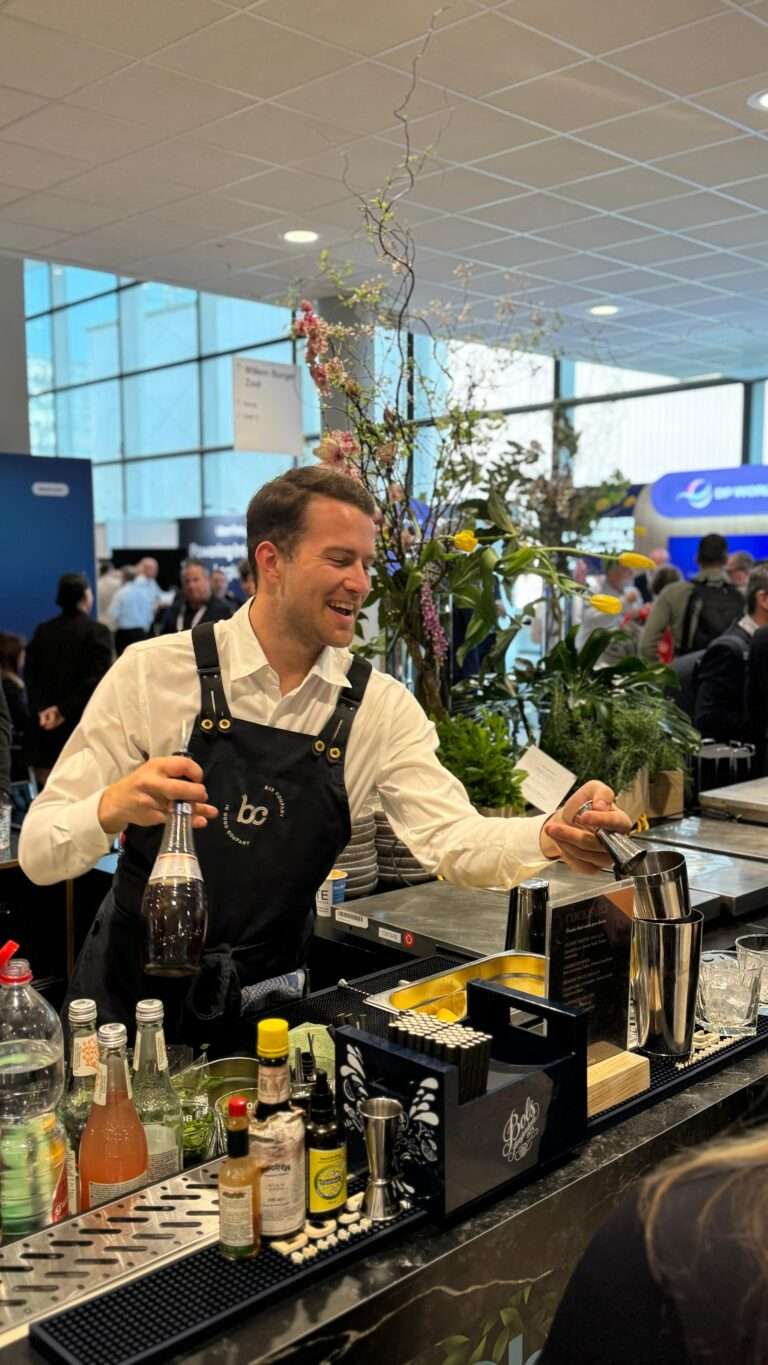
At a trade fair, coffee shifts from a gesture of hospitality to a strategic tool. Here, the coffee break determines how many people stop by and how long they stay.
A professional coffee bar at a trade fair stand ensures:
- greater braking power
- longer talk time
- more high-quality leads
- better brand recall
The division of roles is important. Let a barista We’ll take care of the coffee so that you can focus entirely on the conversation. When sales staff make their own coffee, it leads to a loss of eye contact and momentum.
Use coffee as an icebreaker, not as a sales pitch. Start with an offer and then ask open-ended questions. Whilst someone is waiting for their espresso, there’s a natural opportunity to ask qualifying questions. This feels organic rather than sales-oriented.
Immediately after each meeting, make a note of the key information. Don’t wait until the end of the trading day to do this.
Taking notes without losing your connection
Notes are a means to an end, not an end in themselves. Only write down:
- specific needs
- timelines
- decision-making authority
- agreed follow-up action
Writing too much reduces connection. Writing too little reduces the quality of follow-up. The balance lies in concise documentation.
Wrapping up a coffee meeting professionally
A networking conversation should have a clear structure:
- announcement of completion
- brief summary
- confirmation of next step
- express thanks
This structure prevents conversations from petering out without any concrete outcome. This makes all the difference, particularly on the exhibition floor, where speed and clarity are essential.
How soon should you follow up after a coffee meeting?
The ideal follow-up should take place within 24 hours. Following a trade fair, this should preferably be on the same or the next working day. The follow-up always includes:
- reference to a specific part of the discussion
- confirmation of the appointment made
- clear next step
- a brief, professional tone
Standardised emails without context reduce the likelihood of conversion.
A prompt follow-up shows that you are organised and reliable.
Why professional coffee makes all the difference
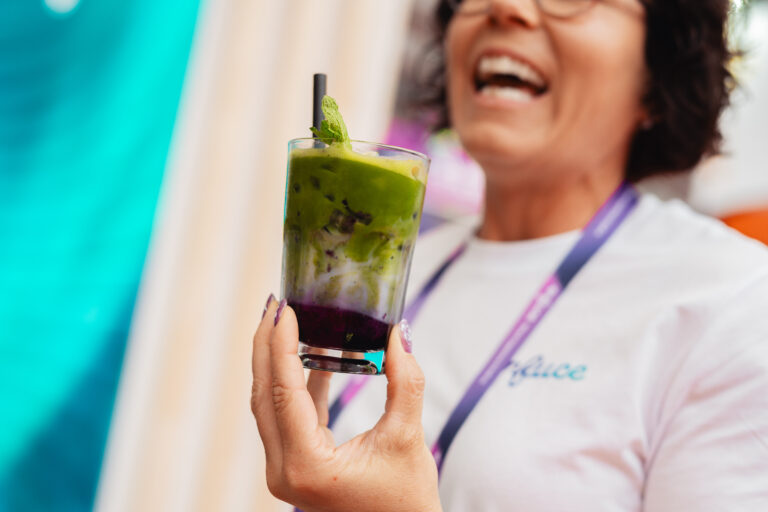
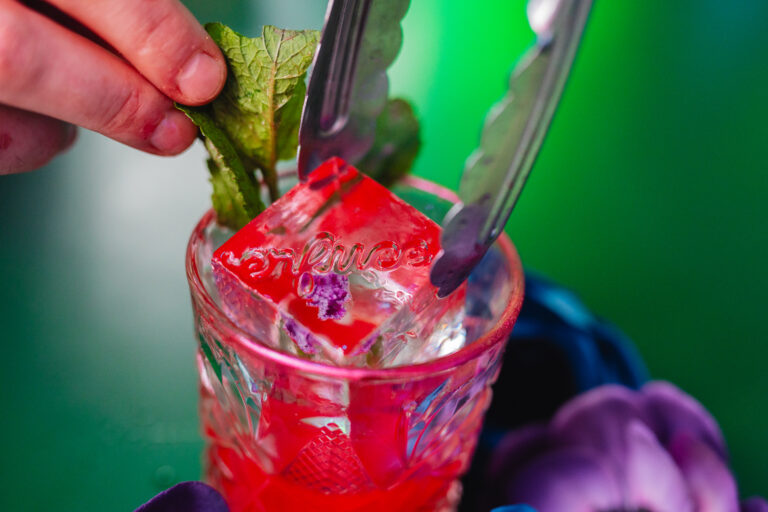
Companies that use coffee strategically at trade fairs and business events see demonstrably better results in their business discussions. A high-quality mobile coffee bar Not only does it enhance your image, but it also measurably increases the time each visitor spends with you. Coffee etiquette is therefore not just a minor detail. It is an extension of your brand and a subtle booster for your sales process.
Frequently Asked Questions
Use the time whilst the coffee is brewing to ask open-ended questions about goals, planning and challenges. By linking your questions to a genuine interest rather than direct sales, you’ll naturally steer the conversation towards a qualification discussion.
A coffee bar increases the appeal of a stand and extends the average conversation time. This usually results in fewer, but higher-quality, leads and greater brand recall after the exhibition has ended.
A coffee machine is suitable for internal network meetings or smaller gatherings. An on-site barista is more effective at trade fairs, product launches and well-attended events where speed, presentation and the overall experience are key.
The biggest mistake is to view coffee as a logistical detail rather than a strategic moment. Poor preparation, a disorganised presentation or slow follow-up unwittingly undermine the professional impression you make.