




Bar Company: The sustainable one caterer
It would be a bit of a shame, wouldn’t it, if our children were to end up footing the bill for our energy consumption. Not if we can help it. That’s why we started practising corporate social responsibility in 2014. We’ve made significant progress since then.

Measure 01
We offset 100% of our CO₂ emissions emissions
Every year, our CO₂ emissions are calculated in detail and recorded by the DGB Group. These emissions are then fully offset by purchasing CO₂ certificates and investing in a sustainable project in Kenya.


Sustainable project in Kenya
- 7 years
costly project
 2.500.000
tonnes of CO₂ are captured
- 150.000
Cookers are manufactured
- 155
BC offsets tonnes of CO₂ annually
Measure 02 · Circularity
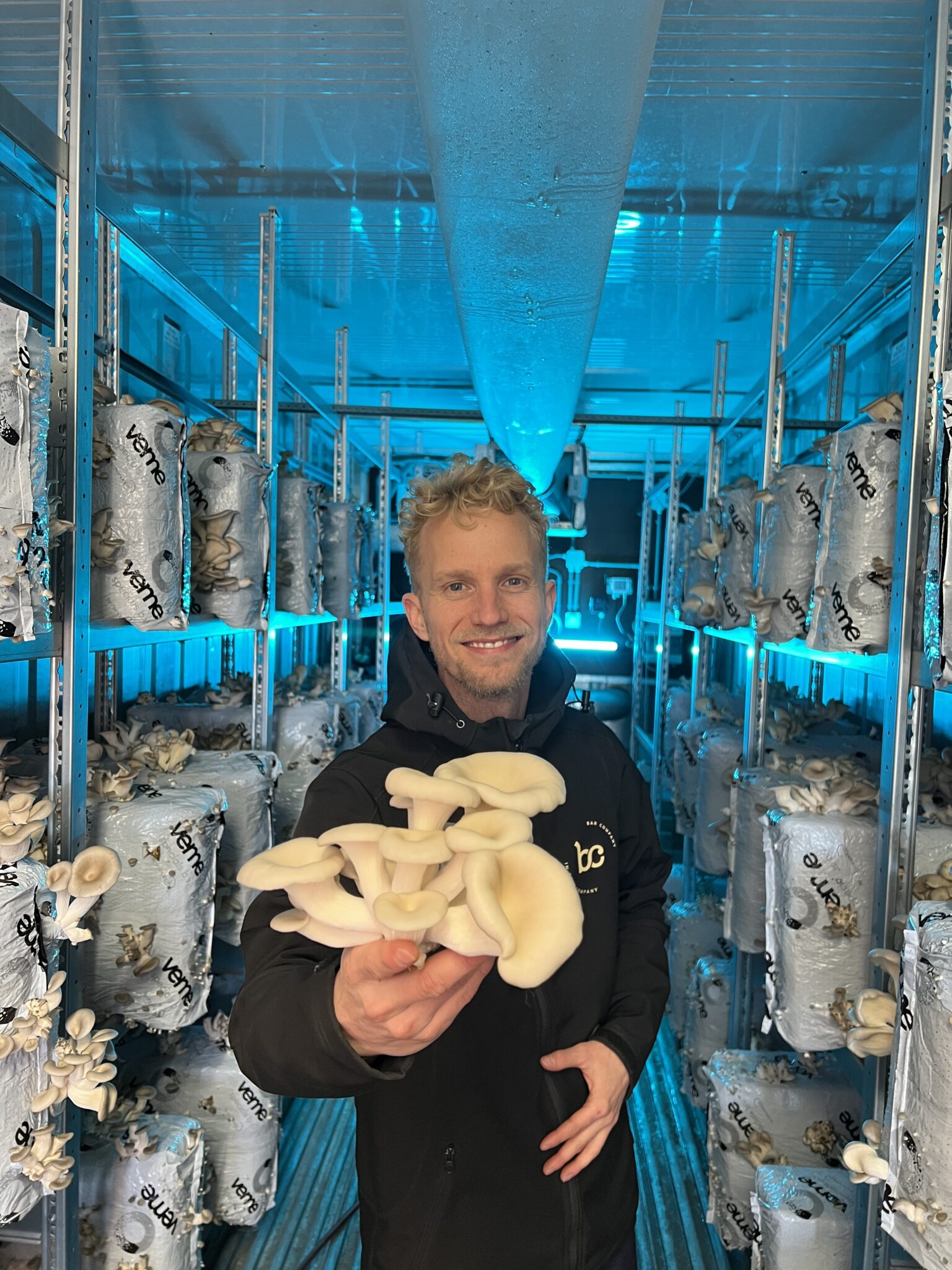
We reuse coffee grounds to grow oyster mushrooms (circularity)
The coffee grounds left over after making a cup of coffee are reused to grow oyster mushrooms.
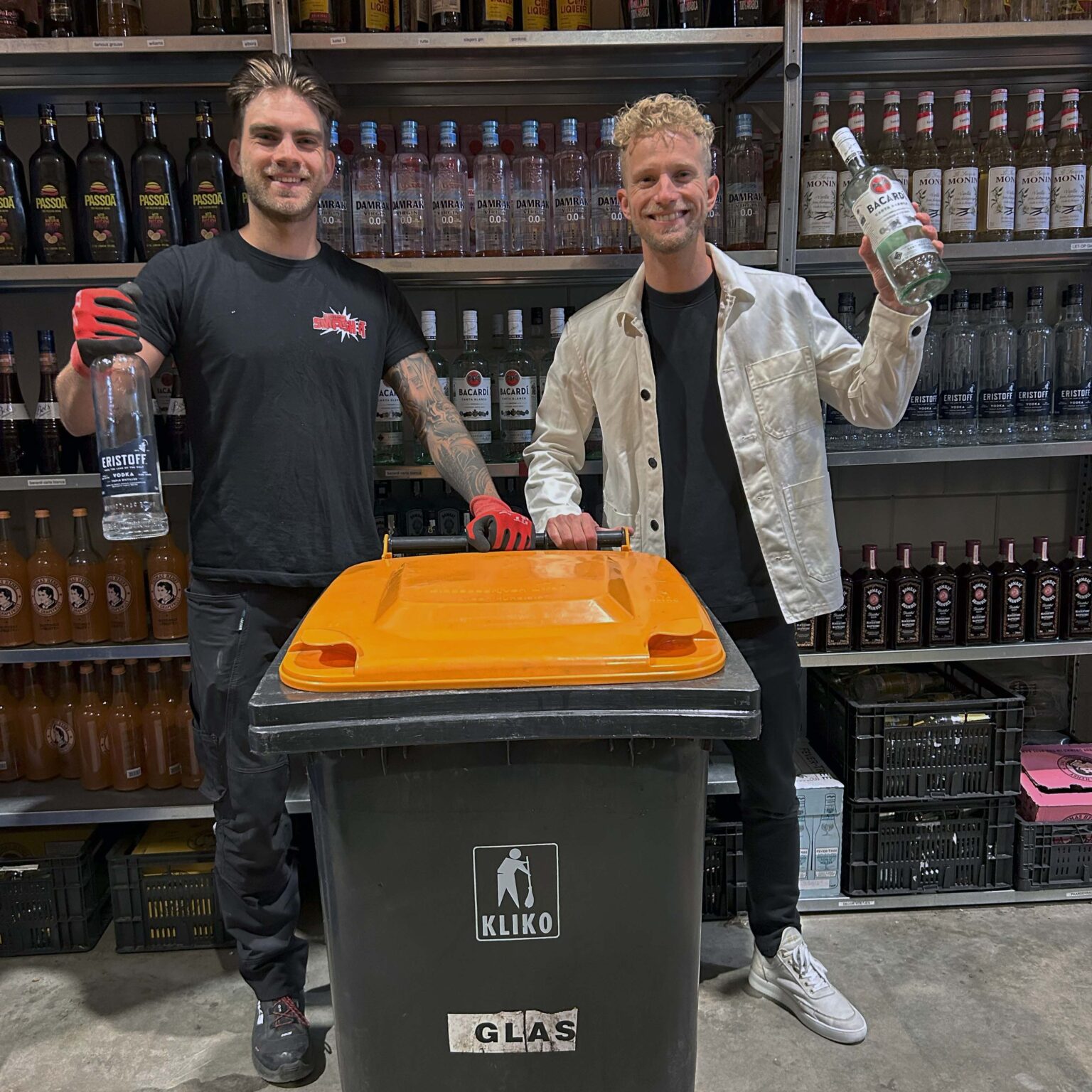
In addition, the empty bottles left over after a cocktail catering event are reused by a Rage Room.
And there’s more
This is how we make a difference, every day
Measure 03
We have developed our own BC coffee blend, which is traceable via blockchain
This long-cherished wish came true in 2024. Read more about our own sustainable coffee blend.
Measure 04
We have 420 solar panels and charging points for green energy
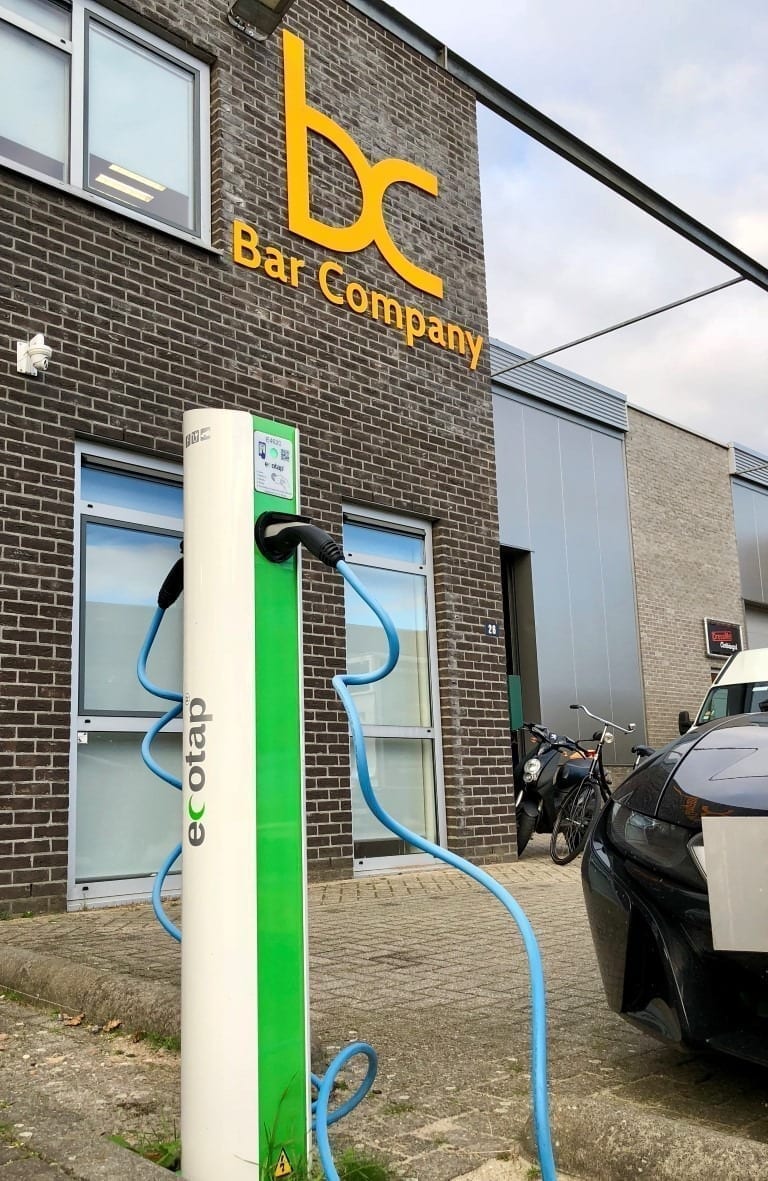
We have 420 solar panels on our roof, as well as charging points for six electric cars. If we need more energy than we generate ourselves, we purchase it from renewable sources.
Measure 05
We use plant-based products as much as possible
For example, we use oats instead of cow’s milk in our cappuccinos, agave syrup instead of honey in our smoothies, and aquafaba instead of egg white for the foam topping on our cocktails.
Measure 06
We use as little energy as possible
We use less energy during transport and in our offices and warehouses.
“Sustainable coffee? It was gone in no time, wasn’t it?”
Into the depths
Total CO₂ emissions compensation
There are several ways to offset CO₂ emissions. Most companies opt to plant trees. We, however, chose a different project: the Hongera Cookstoves Local Community project. This project offsets even more CO₂ emissions per euro invested. The project is less well known to the general public, but it does have a significant impact.
Hongera Cookstoves Local Community Project
The project focuses on the production and distribution of energy-efficient cookstoves to local communities in Kenya. This improves their health, reduces CO₂ emissions and curbs deforestation.
The project is being developed under the Gold Standard, which guarantees that genuine, measurable results will be achieved. Furthermore, this standard ensures that the project will have a lasting impact on the local population and the natural environment.
Growing oyster mushrooms on our coffee grounds
In 2023, we threw away around 10,000 kg of coffee grounds. We were well aware that coffee grounds can be reused, but none of the companies offering this service showed any interest when we approached them.
Until, six months ago, we discovered Versfabriek. And you won’t believe it, but they’re based right here in our lovely Nijmegen. Versfabriek is an urban farm that collects local organic waste and uses it to grow food. These produce are then purchased by local restaurants. Now, all our leftover coffee grounds go to Versfabriek every week. And these oyster mushrooms have been grown on our coffee. How cool is that!
Empty bottles are reused in a Rage Room
Jeff (on the left) is a former bartender at BC and has recently set up his own business: Rage Room Smash it. In his rage rooms, you can demolish an entire room using a sledgehammer, a bat or a crowbar.
His concept has been a huge success, which means he’s constantly in need of items that can be broken.
Every week, our cocktail catering events leave us with about five containers full of empty bottles. These bottles used to be collected by a waste management company, but we’re now giving them a new lease of life in Jeff’s Rage Room before they go into the glass recycling bin. Brilliant, isn’t it?
Using less energy and choosing green energy
All our passenger cars are electric. Unfortunately, this is not yet possible for our buses. By limiting the speed of our buses and lorries, they do consume less fuel. We also use route-planning software to identify the most efficient and combined routes.
We have analysed the energy consumption of our offices and warehouses and have implemented various energy-saving measures. We have switched entirely to LED lighting, reduced the amount of time the lights are on, installed smart sensors, and use energy-efficient air-conditioning units for heating and ventilation. As a result, we are using 40% less energy!
Bye-bye plastic, we’ve given it up
Most of our cocktails are drunk through a straw. And we serve almost all our smoothies and juices in disposable cups. As you can imagine, this adds up to a huge amount of plastic every year. Or rather, it used to. Although it is, unfortunately, still the norm in our industry, we’ve had enough of single-use plastic and have therefore stopped using it altogether.
The disposable items we currently use are made from renewable plant-based raw materials such as maize starch or sugar cane. The straws and cups look almost identical to their plastic counterparts, but are now biodegradable.
“We want to make the world an even better place in a sustainable way. ”Fancy joining in?"
Curious to find out what we, as a sustainable caterer, can do for you?
I’d be happy to tell you more about it.

Would you like some no-obligation advice?
Luna will help you with that.